
The electric vehicle transition is gathering remarkable pace. Full battery EVs accounted for 26% of new car sales in April – a growth of 59% compared to last year. Dealerships are reporting overwhelming demand for EVs in their showrooms. And over 120,000 public chargepoints have been rolled out across more than 46,000 locations – five times as many locations as petrol station.

This rising interest in EVs has occurred despite mixed signals from political parties both here in the UK, within Europe and beyond, with recent ongoing calls to weaken EV targets and the continued freeze on fuel duty. The past few months have shown just how resilient EVs are in the face of global market shocks like rising oil prices, and more and more households are looking seriously at switching to electric for their next car purchase.

These households, these drivers, are at the heart of the transition to EVs. As drivers, we are not being mandated to buy electric – we must choose to do so.

Two million EVs on UK roads is an incredible milestone, but it represents only around 5.5% of the total UK car parc. There are still real challenges to tackle if EVs are to be the mass market vehicle of choice:

  • EVs are still unaffordable for the 50% of households on lower and middle incomes.
  • For those households without a driveway, the high costs of public charging mean that running an EV can be substantially more expensive than a petrol or diesel car.
  • Too many drivers are still experiencing frustration with a public charging network that is nowhere near as seamless and easy as it should be.
  • The proposed pay per mile tax for EV drivers threatens to exacerbate these issues and put the brakes on for many who were contemplating making the switch.


Government actions to date have provided an important platform from which we can build: the Electric Car Grant, Local EV Infrastructure Fund, workplace charging scheme, new cross-pavement fund, and changes to planning rules to make it easier to install chargepoints and cross-pavement solutions, to name a few.
Stronger and bolder action is going to be needed to create an EV sector that is attractive and accessible to all households.

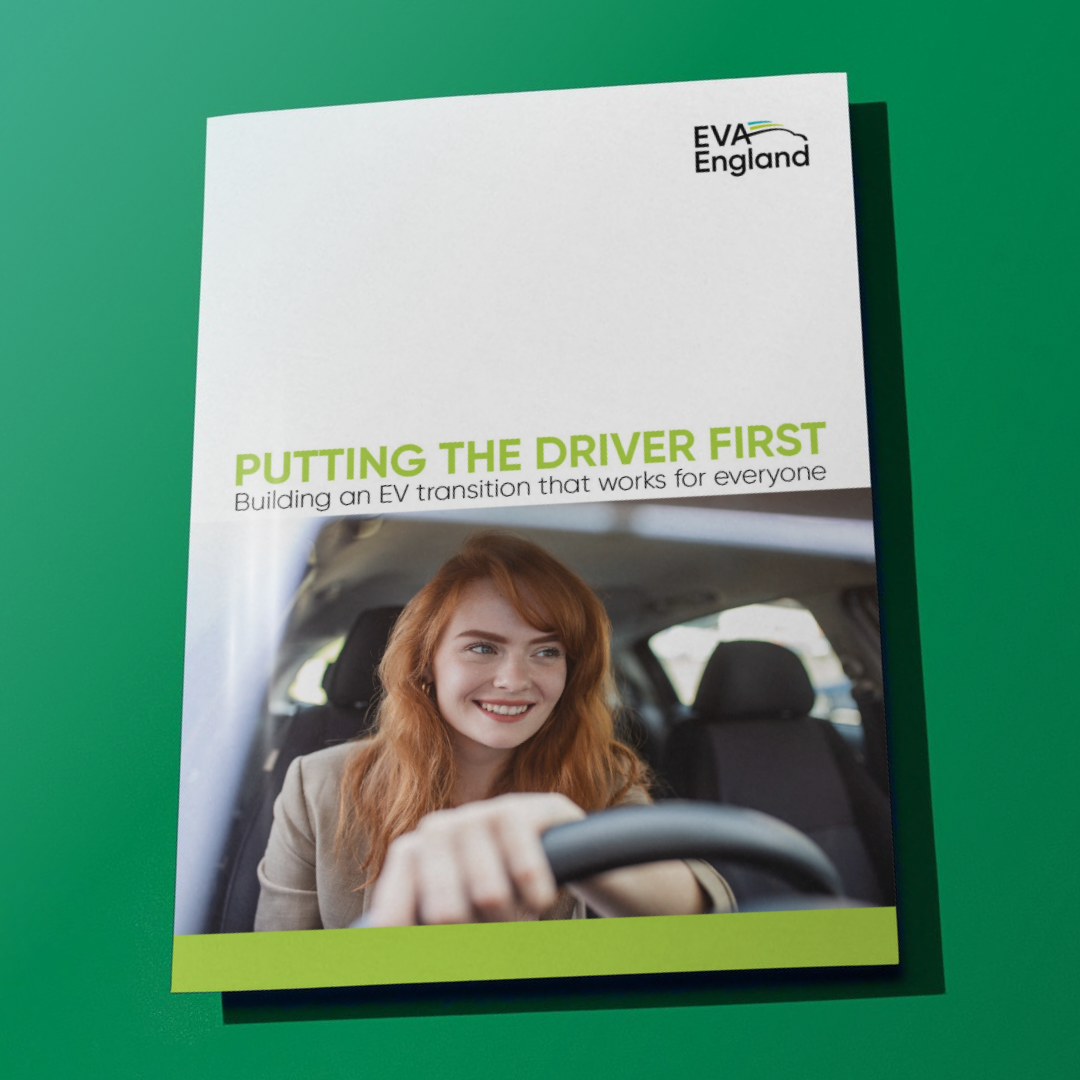
Our white paper, Putting the Driver First, sets out what Government and industry must do to build an EV transition that works for everyone.

Download the white paper here


In our white paper, we have made these keys asks:

1. Generate widespread access to and trust in the cars:

  • Re-target incentives such as the Electric Car Grant to where they are most needed, by introducing a UK social leasing scheme that subsidises lower cost, longer term leasing packages for those drivers on lower and middle incomes.
  • Extend favourable benefit-in-kind rates for full battery electric vehicles until at least 2035, the end of the transition period.
  • Increase consumer confidence in the used EV market by accelerating the introduction of a UK battery health standard, and incentivising extension of salary sacrifice schemes to this market.
  • Promote approved industry training programmes across franchised and independent dealerships, service and repair providers that lead to a better experience and better information for prospective EV drivers at the point of sale and on service.


2. Deliver a plan for supporting households without access to private charging:

  • Ensure the Government’s Cost of Public Charging review delivers quick and tangible outcomes that bring prices down for drivers at the chargepoint. This means structural reform to bring down standard charges, removes policies levies and incentivises dynamic pricing, as well as VAT equalisation.
  • Accelerate the rollout of alternative, affordable charging solutions, including cross pavement solutions, charger sharing platforms, and workplace charging across state funded institutions such as the NHS. And support grid connections for multi unit dwellings to bring down the costs of installing chargepoints in apartment blocks.
  • Get the underlying regulatory regime right: review and update the Public Chargepoint Regulations so that they address ongoing consumer concerns, and create a fully resourced independent regulatory for the chargepoint sector that delivers a transparent monitoring and enforcement regime, and provides an independent customer complaints and resolution service for both public and private chargepoints.


3. Delay the proposed pay per mile (eVED) scheme until at least 2030 and make sure that it works for drivers from day one:

  • Move away from upfront estimated payments, towards a system based on actual usage.
  • Introduce a clear, universal, rapid refund mechanism for overpayment, and adequate protections for drivers from third-party costs and surcharges.


Download our White Paper here


A fair transition must work for everyone.

At EVA England, we’re working to make sure every driver, no matter where they live, can access affordable and reliable charging.

If you would like to support our work and help strengthen our advocacy for fair and accessible charging, you can get involved by becoming a member, a supporting partner or donating directly to EVA England.

Get involved


Share via
Copy link
Powered by Social Snap