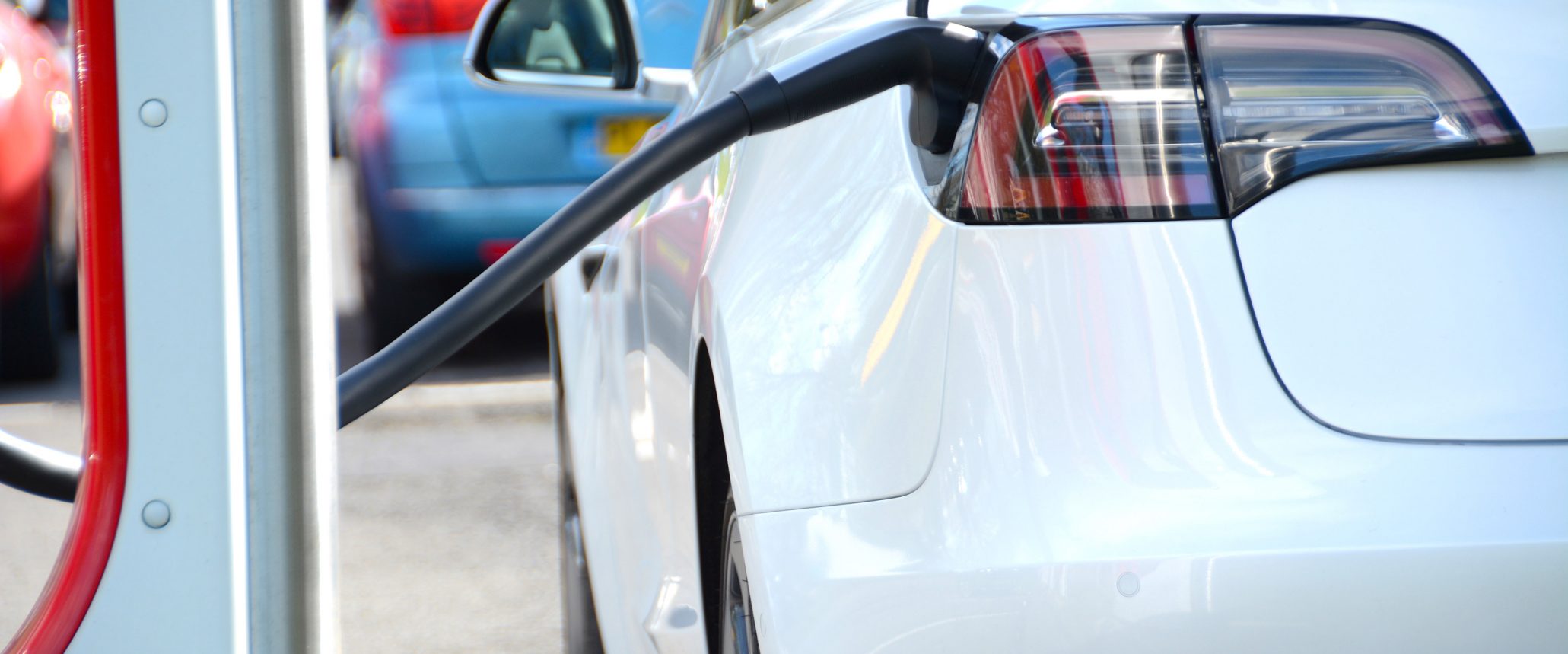
One of the most immediately felt benefits of switching to an EV is how much cheaper it is to run day to day.
- Electricity is significantly cheaper than petrol or diesel, particularly if you charge at home. Indeed, some drivers power their cars for as little as 2p per mile, with electricity costs typicaly around one-fifth of the equivalent petrol cost.
- EVs also have fewer moving parts, which means less to maintain and lower servicing costs over time. Servicing also tends to cost less.
Explore the Cost of Driving Electric report by EV UK to see how you can save thousands by switching to an EV!
-
A better driving experience
This is the one that surprises people most.
“I test drove one and the experience was so much better. Smooth to drive, accelerates quickly, and the cabin is a nice quiet place to be.”
- EVs deliver instant and smooth acceleration thanks to instant torque, and offer regenerative breaking when easing off the accelerator. They also tend to have a low centre of gravity, which improves handling and safety. And with only one gear to speak of, they’re very easy to drive as they are similar in practice to an automatic petrol or diesel car.
- They are also much quieter compared to petrol or diesel cars. In fact, they are so quiet that they are now required to have an Acoustic Vehicle Alert System (AVAS) to emit a sound when reversing or travelling below 12mph to avoid accidents.
-
Better for the environment
EVs produce zero tailpipe emissions – no CO2, no NOx, no particulates – which means cleaner air for everyone, especially in towns and cities. But the environmental benefits go beyond what comes out of the exhaust.
- EVs have a lower carbon footprint. Over their entire lifetime, including manufacture, use and disposal, electric cars cut lifecycle emissions by around two-thirds compared to a conventional petrol car. And as the UK electricity grid becomes greener, that advantage grows. Charging with renewable energy reduces the carbon footprint further still.
If you want to check how much CO2 an EV can save compared to a diesel or petrol car over its lifetime, Transport & Environment (T&E) have built this tool that compiles data on CO2 emissions linked to the use of an electric, petrol or diesel car.
- Zero emission at the tailpipe also means that EVs will attract no or lower charges from Clean Air Zones being implemented around the UK and London’s Ultra Low Emission Zone (ULEZ), a meaningful saving for those driving in those areas.
Beyond lower running costs, there are a number of incentives that make going electric even more financially attractive:
- From August 2025, new EVs priced under £37,000 qualify for up to £3,750 off through the government’s Plug-in Vehicle Grant.
- A plug-in wheelchair accessible vehicle grant (PiWG) available for wheelchair accessible vehicles priced below £50,000.
- EVs benefit from cheaper preferential first-year Vehicle Excise Duty (VED) compared to their petrol and diesel counterparts. More details here.
- If you drive a company car, the tax savings from choosing an EV are substantial. The current BiK rate for electric cars is just 4% for 2026/27 – significantly below the 25-37% rate for petrol or diesel vehicles. The rate will increase by 1% annually until 2027, then by 2% annually until capping at 9% in 2029, still remaining far below those for combustion engine cars.
- EVs benefit from Government grants to install chargers for landlords and renters, as well for businesses to install workplace charge points.
- Many companies offer salary sacrifice schemes for EVs, which can offer large savings on renting an EV depending on your tax band.